A Cultural Vision Takes Shape
The transformation of a patch of former farmland into one of the world's most concentrated cultural quarters began with the profits of a single event. The Great Exhibition of 1851, staged in Hyde Park, attracted over six million visitors and generated a substantial surplus. Rather than allow the funds to dissipate, Prince Albert and the Royal Commission for the Exhibition of 1851 used them to purchase land in South Kensington, laying the groundwork for what would become known as Albertopolis.
The Great Exhibition's Legacy
The Great Exhibition, formally titled the Great Exhibition of the Works of Industry of All Nations, was housed in the Crystal Palace, an iron and glass structure designed by Sir Joseph Paxton. Sir Henry Cole, who first proposed the exhibition in 1848, envisaged that its profits would serve a lasting public purpose. The Royal Commission, with Prince Albert as its president, acquired a swathe of land in the then-village of Brompton, now South Kensington, to create a permanent home for institutions devoted to art, science, and education.
The Institutions That Defined the Quarter
The cultural quarter took shape over several decades, with each institution adding to the character of the area. The Victoria and Albert Museum, the world's largest museum of applied arts and design, became the anchor of the development. The Natural History Museum opened its doors on 18 April 1881, its terracotta-clad building a landmark in its own right. The Science Museum, which grew out of the South Kensington Museum, established itself as a leading institution for industrial and scientific heritage.
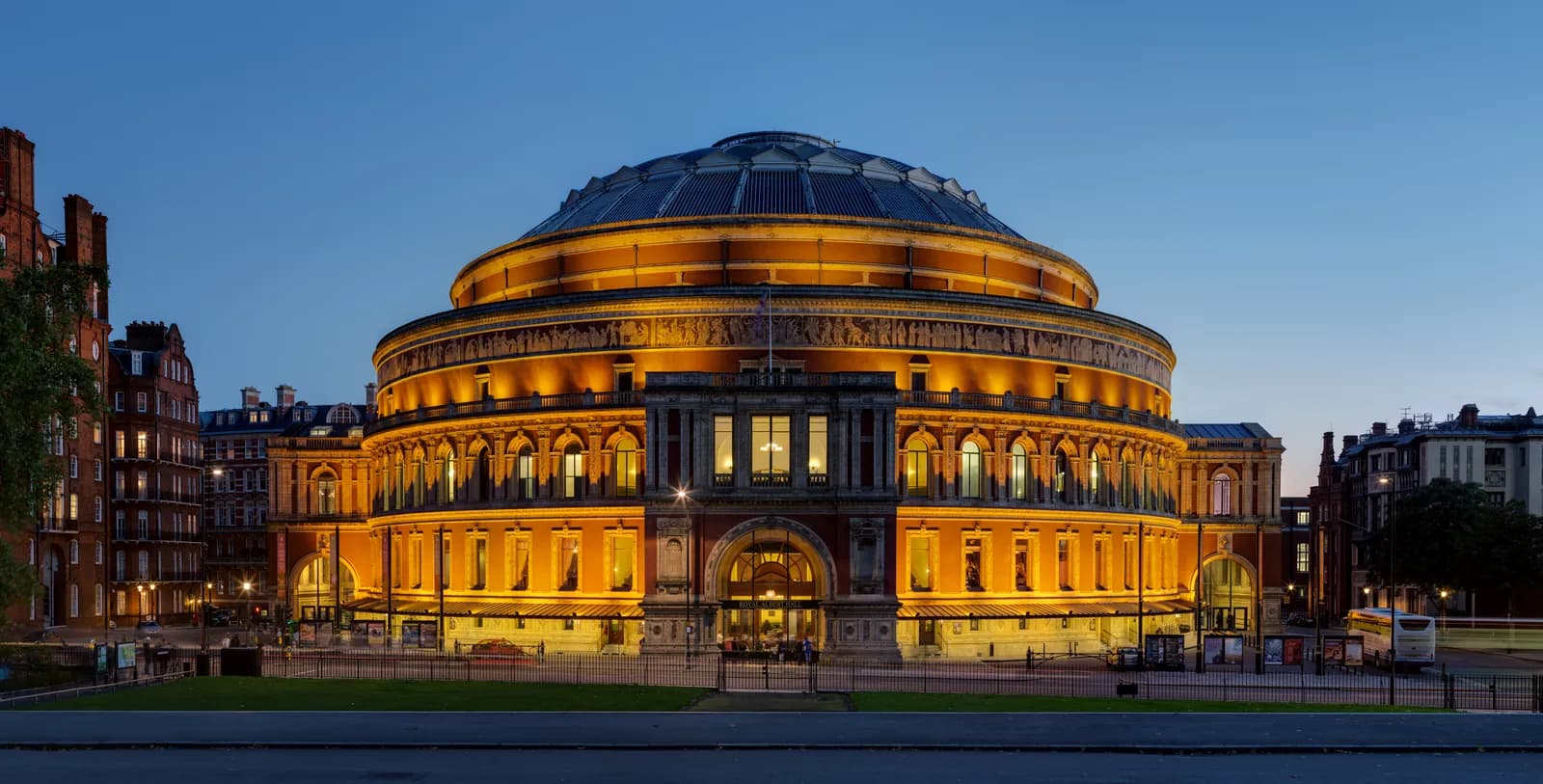
The Royal Albert Hall, which opened on 29 March 1871, provided a venue for music and public events that remains one of London's most recognisable performance spaces. Imperial College London, founded in 1907 from the merger of the Royal College of Science, the Royal School of Mines, and the City and Guilds College, brought scientific research and higher education to the quarter. The Royal College of Music, the Royal College of Art, and the Royal Geographical Society further cemented the area's academic and cultural credentials.
A Planned Landscape
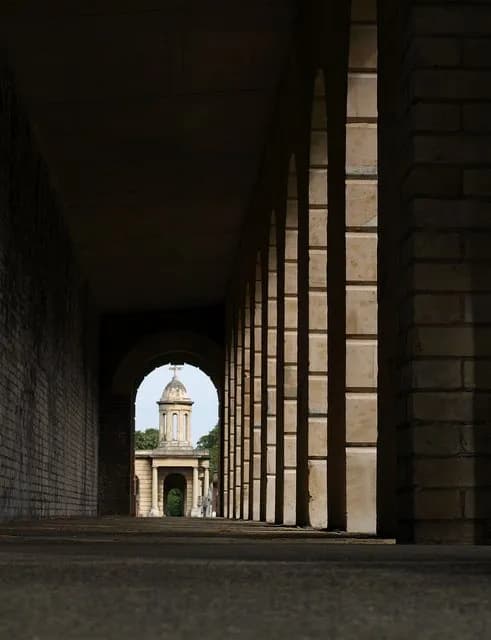
What distinguishes Albertopolis from other cultural clusters is the degree of planning behind it. The principal north-south thoroughfare, Exhibition Road, was laid out as part of the original scheme. A central axis connects the Albert Memorial in Kensington Gardens to the south facade of the Natural History Museum, with the Royal Albert Hall, the Royal College of Music, and the Queen's Tower of Imperial College aligned along the same line. The South Kensington Subway, a pedestrian tunnel linking the tube station to the museums, opened in 1885 and is now a Grade II listed structure.
A Kensington Institution
The development altered the character of South Kensington profoundly. What was once open land became a destination that draws millions of visitors each year, while remaining a resource for local residents. The area is split between the Royal Borough of Kensington and Chelsea and the City of Westminster, and the institutions within it continue to employ local staff, host community events, and provide educational programmes for schools in the borough.
The name Albertopolis itself fell out of use after Prince Albert's death, and the area became more commonly known as South Kensington. It was revived by architectural historians in the 1960s, when a proposed expansion of Imperial College threatened several of the Victorian buildings that give the quarter its character. The term has since entered common usage, a recognition of the coherence of the original vision.
Enduring Relevance
More than 170 years after the Great Exhibition, Albertopolis remains a working cultural quarter rather than a preserved relic. The museums continue to acquire new collections, the colleges to conduct research, and the hall to host performances. For Kensington residents, the quarter offers free access to some of the country's most significant cultural institutions, within walking distance of the local tube stations.
The Royal Commission for the Exhibition of 1851 continues to operate, still using the profits of the original exhibition to fund educational initiatives. The vision that shaped South Kensington remains, in that sense, an active one.